
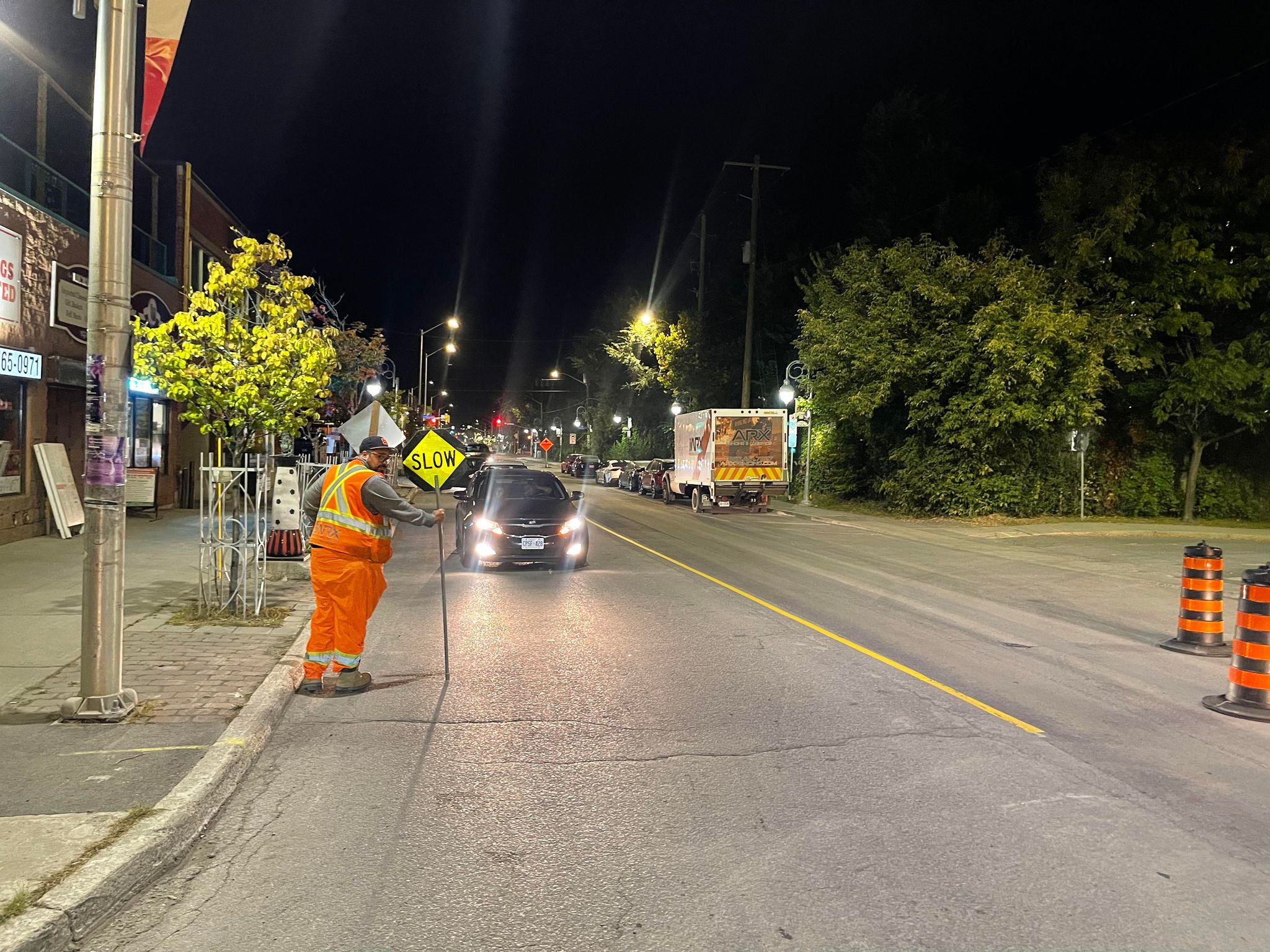
Your project timeline is tight, your budget is carefully planned, and you can’t afford delays or safety incidents that could shut down operations. When construction work requires traffic control in Ottawa, the difference between professional flagging services and substandard providers can make or break your project’s success. A single traffic control failure could cost thousands in delays, expose your company to liability, or damage relationships with clients and communities.
Whether you’re managing a utility installation on Somerset Street or coordinating roadwork along Queen Elizabeth Drive, choosing the right flagging crew isn’t just about meeting regulatory requirements — it’s about protecting your reputation, maintaining schedules, and ensuring everyone goes home safely. Understanding what sets professional flagging services apart helps you make informed decisions that keep your project on track and your company protected.
Understanding Professional Flagging Service Standards
When you hire professional flagging services in Ottawa, you should expect crews that meet or exceed Ontario’s Book 7-certified requirements. This provincial standard ensures flaggers have received comprehensive training in temporary traffic control principles, work zone safety protocols, and emergency response procedures.
Quality flagging services will provide documentation of their certifications and be able to explain their training programs. They understand the complexities of managing traffic in Ottawa’s diverse environment, from busy commercial corridors like Rideau Street to residential construction projects in Stittsville or Barrhaven. Learn more about our comprehensive traffic control services that go beyond basic flagging.
Professional providers also maintain liability insurance and workers’ compensation coverage, protecting your project from potential risks. They should readily provide proof of insurance and demonstrate their commitment to safety through documented safety programs and incident tracking. Understanding Ontario’s construction safety requirements helps you evaluate whether potential flagging service providers meet industry standards.
The best flagging services stay current with regulatory changes and industry best practices. They participate in ongoing training and can adapt their procedures to meet specific project requirements or municipal guidelines that may vary across Ottawa, Gatineau, and surrounding communities. For complex projects requiring comprehensive road closure services, experienced providers can coordinate multiple traffic control elements seamlessly.
What Quality Flagging Services Deliver
When you contract with professional flagging services, such as ARX, you’re getting more than just personnel holding stop signs. Comprehensive providers offer complete traffic management solutions that begin with pre-project planning and continue through safe work zone restoration.
Detailed pre-project consultation should be standard with quality providers. They’ll conduct site visits to assess traffic patterns, identify potential challenges, and develop customized traffic control plans. For instance, managing traffic during morning rush hour on Bank Street requires different strategies than controlling flow during weekend work in a residential area of Orleans.
Proper equipment and visibility standards distinguish professional services from substandard providers. When you hire professionals, you can expect flaggers equipped with high-visibility clothing that exceeds safety requirements, properly maintained signage, reliable communication devices, and backup equipment that is readily available. This equipment must function effectively during Ottawa’s challenging weather conditions, from summer construction season through winter emergency repairs. Consider whether you also need traffic control planning services to complement your flagging requirements.
Comprehensive crew configuration ensures continuous coverage without compromising safety. Professional services typically provide three-person crews consisting of two active flaggers and one relief person. This configuration prevents fatigue-related incidents and maintains consistent service quality throughout your project duration.
Professional Training and Safety Protocols
When hiring flagging services, you should expect crews trained in specific safety protocols that go far beyond basic traffic control. Professional flaggers understand proper positioning techniques that keep them visible to approaching traffic while maintaining escape routes if drivers fail to respond appropriately.
Positioning and movement protocols are essential for ensuring crew safety and maintaining efficient traffic flow. Trained flaggers know how to position themselves effectively on various road types, from high-speed arterials like Highway 417 to narrow residential streets. They understand sightline requirements and maintain awareness of traffic patterns throughout their shifts.
Communication techniques extend beyond standard flag movements. Professional flaggers make eye contact with drivers, use clear hand signals, and position flags to effectively communicate their intended actions. They remain calm and professional even when dealing with frustrated drivers during extended delays, protecting your project’s reputation in the community.
Emergency response capabilities distinguish professional crews from amateur operations. Quality flagging services train their personnel to respond appropriately to accidents within work zones, coordinate with emergency services, and maintain traffic flow during unexpected situations. This training proves invaluable when incidents occur on major routes serving Ottawa’s downtown core or during emergency utility repairs.
Crew Scheduling and Reliability Standards
Professional flagging services recognize that consistent staffing has a direct impact on your project schedule and budget. Quality providers maintain sufficient personnel to handle your project requirements, ensuring timely completion without last-minute cancellations or inadequate coverage.
Reliable scheduling means flagging crews arrive on time and ready to work. Professional services have backup personnel available for emergencies and maintain communication protocols to notify you immediately if any issues arise. They understand that delayed flagging can shut down your entire operation, potentially costing thousands of dollars in lost productivity.
The extended hours capability becomes important for projects that require work outside standard business hours. Professional services can provide certified crews for night work, weekend projects, or emergency situations. They maintain the same safety and professionalism standards regardless of when work occurs.
Weather adaptability ensures your project continues safely during Ottawa’s variable weather conditions. Professional flagging services understand how to adjust their procedures for reduced visibility during snowstorms, ice conditions, or heavy rain. They maintain appropriate equipment for all weather conditions and know when conditions become too dangerous for safe traffic control.
Communication and Coordination Excellence
Effective flagging services prioritize clear communication with all project stakeholders. You should expect regular updates on traffic management status, prompt notification of any incidents or challenges, and professional interaction with the public and emergency services.
Project communication protocols keep you informed of the flagging operations status. Professional services document incidents, track traffic delays, and provide recommendations for improving traffic control efficiency based on observed conditions. This information helps you manage client expectations and plan future projects more effectively.
Emergency services coordination ensures rapid response capabilities when needed. Quality flagging services maintain established relationships with local police, fire departments, and ambulance services. They understand priority protocols for emergency vehicle access and can quickly adjust traffic control measures when emergencies occur near your work zone.
Technology Integration and Modern Equipment
Contemporary flagging services incorporate technology to enhance safety and efficiency. When hiring professional providers, you should expect crews equipped with reliable two-way radio systems, mobile communication capabilities, and access to digital traffic management tools.
Communication systems enable instant coordination between flagging personnel and your work crews. This technology proves particularly valuable on large projects with multiple work zones or when coordinating with other traffic control measures throughout the region.
Documentation capabilities provide valuable project data for future planning. Professional services maintain detailed records of traffic volumes, delay incidents, weather challenges, and equipment performance. This information helps you refine traffic management approaches for similar future projects.
Equipment maintenance standards ensure reliable performance throughout your project. Quality flagging services maintain their equipment properly, conduct regular safety inspections, and have replacement equipment readily available. You shouldn’t experience project delays due to equipment failures with professional providers.
Regulatory Compliance and Documentation
ARX Road Closure professional flagging services understand the regulatory requirements for traffic control in Ottawa and surrounding municipalities. They maintain current knowledge of federal, provincial, and municipal regulations that may affect your project.
Permit coordination assistance helps ensure your traffic control plans meet all regulatory requirements. Professional services can advise on permit requirements, assist with application processes, and ensure their operations comply with approved traffic control plans.
Documentation standards provide the records you need for regulatory compliance and project management. Quality services maintain detailed logs of flagging operations, incident reports, and crew certification records. This documentation proves valuable if questions arise about traffic control procedures or safety compliance.
Municipal liaison capabilities help navigate varying requirements across different jurisdictions. At ARX Road Closure, we understand the complexities of working in Ottawa, or smaller surrounding municipalities and can adjust our procedures accordingly.
Evaluating Flagging Service Providers
When selecting flagging services for your Ottawa project, verify that all personnel maintain current Book 7-certified status. Ask about their training programs, safety records, and experience with projects similar to yours. Professional providers should discuss their traffic management planning approach and demonstrate understanding of local traffic patterns and regulations.
Consider the provider’s capacity to handle your project’s scope and duration. Companies with adequate personnel, proper equipment, and established procedures offer greater reliability and project success potential.
Experience with Ottawa’s unique challenges — including bilingual communication requirements, winter weather conditions, and coordination across federal, provincial, and municipal jurisdictions — should factor into your selection decision. Local knowledge has a significant impact on the effectiveness of traffic management and regulatory compliance.
When you need reliable traffic control for your construction project, professional flagging services ensure safe, efficient operations while meeting all regulatory requirements. ARX Road Closures provides experienced, Book 7-qualified flagging teams ready to support your project with comprehensive traffic management solutions tailored to Ottawa’s unique construction environment. Contact us today to experience a better flagging service in Ottawa.